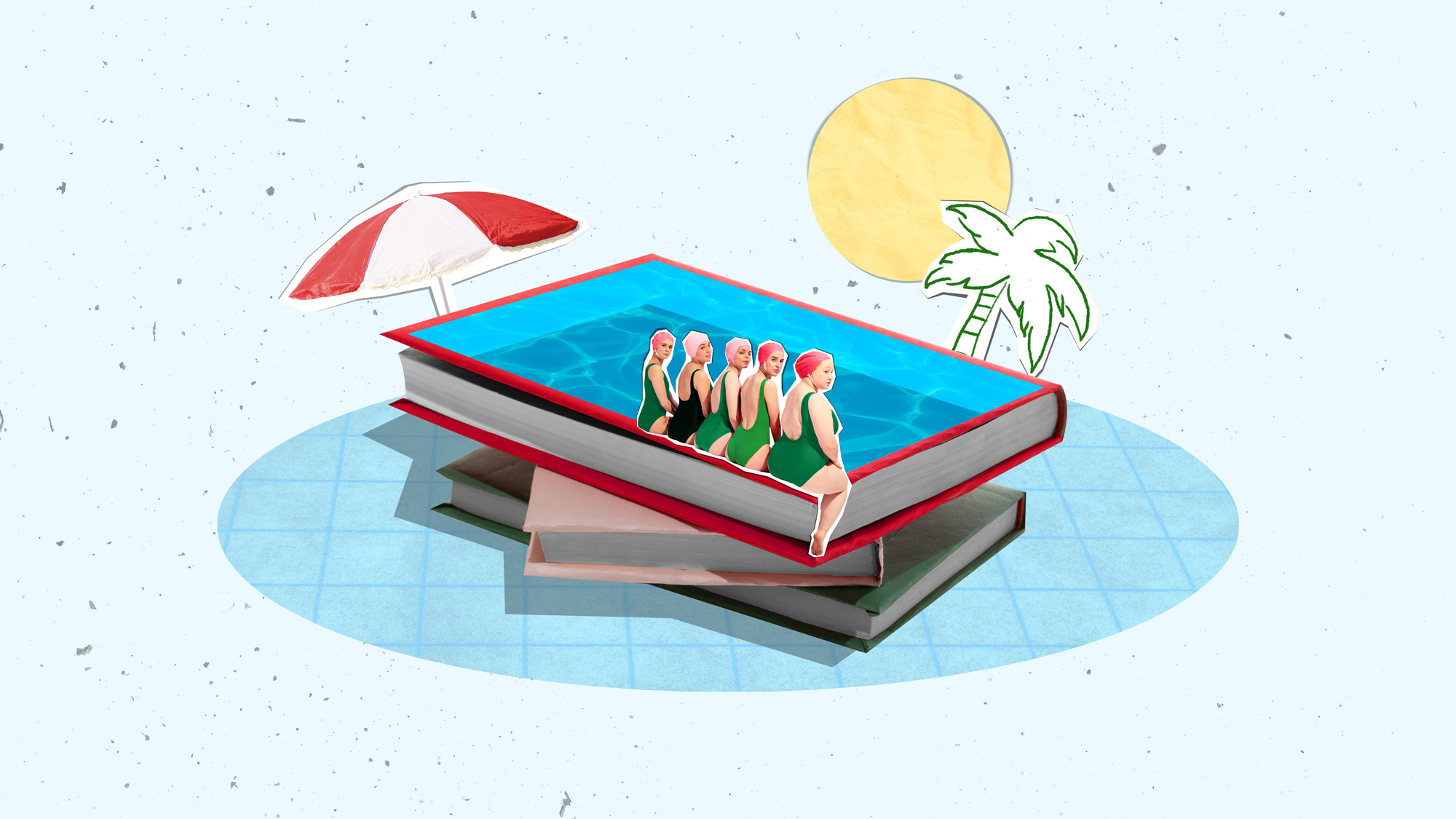
School’s out, fun’s in. Before they headed off for summer adventures, we asked several Stanford students for their book recommendations.
Nonfiction
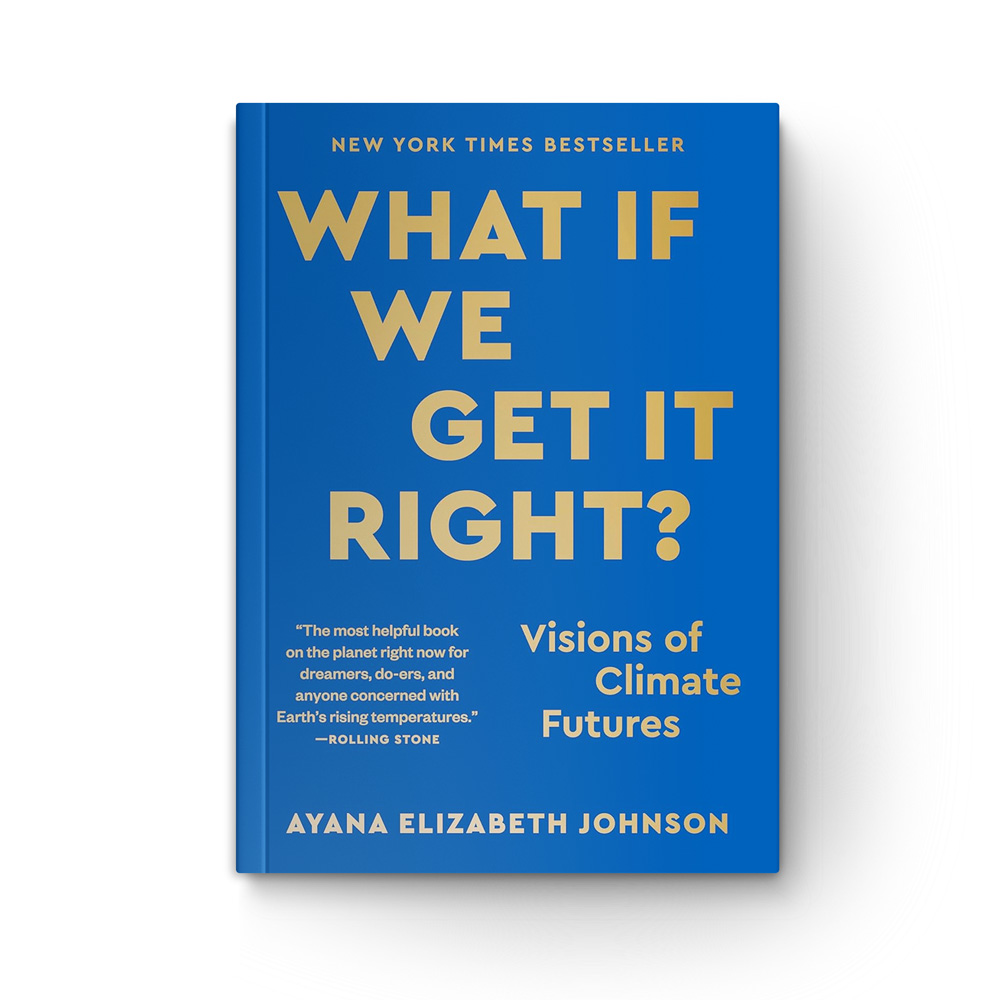
What if We Get It Right? Visions of Climate Futures by Ayana Elizabeth Johnson, One World (2026)
I read this anthology of hopeful climate perspectives for a master’s class last fall. From my observation, hope moves the needle and motivates grassroots climate action far more than despair ever will, so I think this is a must-read for pragmatic environmentalists.
—Isaac Nehring, ’26, is majoring in American studies and pursuing a master’s in Earth systems. He’s a former president of the Stanford Rural Engagement Network and a student staff member at the O’Donohue Family Stanford Educational Farm.
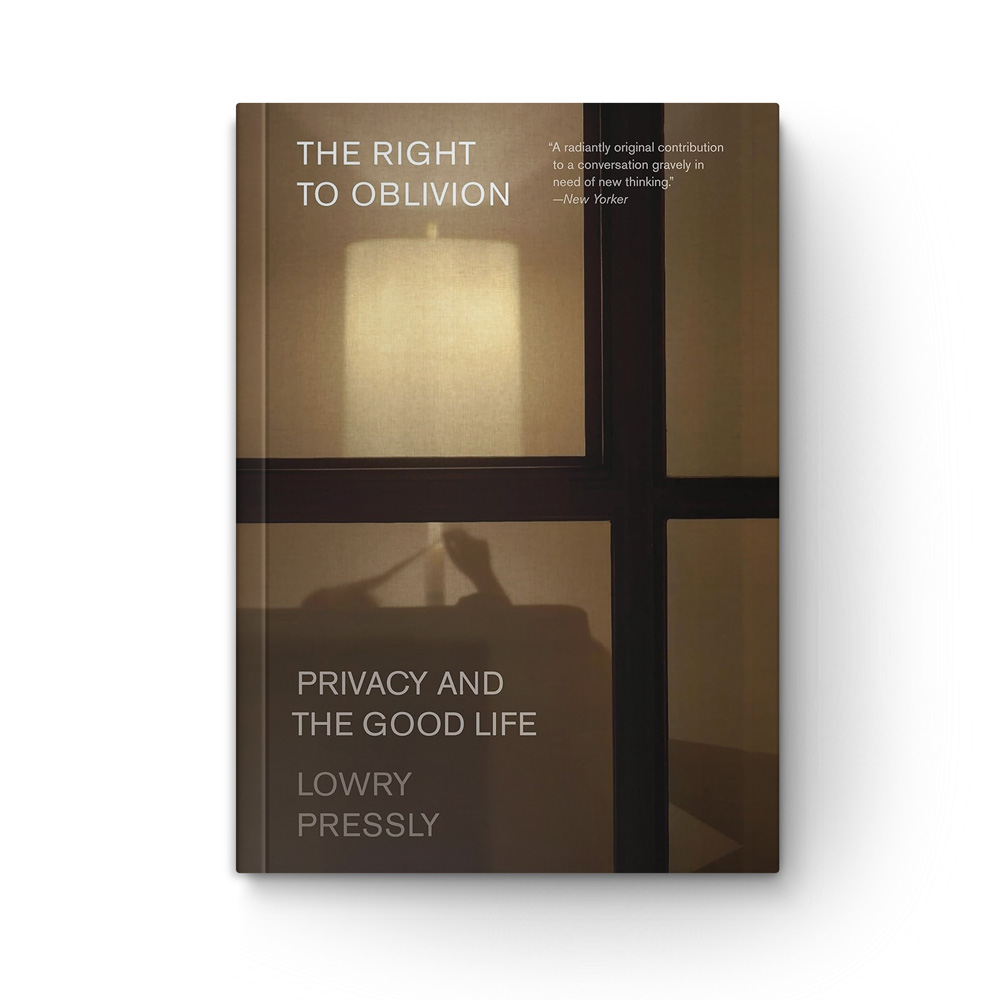
The Right to Oblivion: Privacy and the Good Life by Lowry Pressly, Harvard University Press (2024)
Pressly is an assistant professor of political science at Stanford who thinks deeply about the meaning of privacy in human experience. His book critically examines a modern “ideology of information” that turns human selfhood into data. I finished reading with a deeper appreciation of the interior, undefined world within us all. Those depths, the book argues, are a vital source of creativity, trust, and critical thought.
—George Porteous, ’27, a history major, is editor in chief and president of the Stanford Daily.
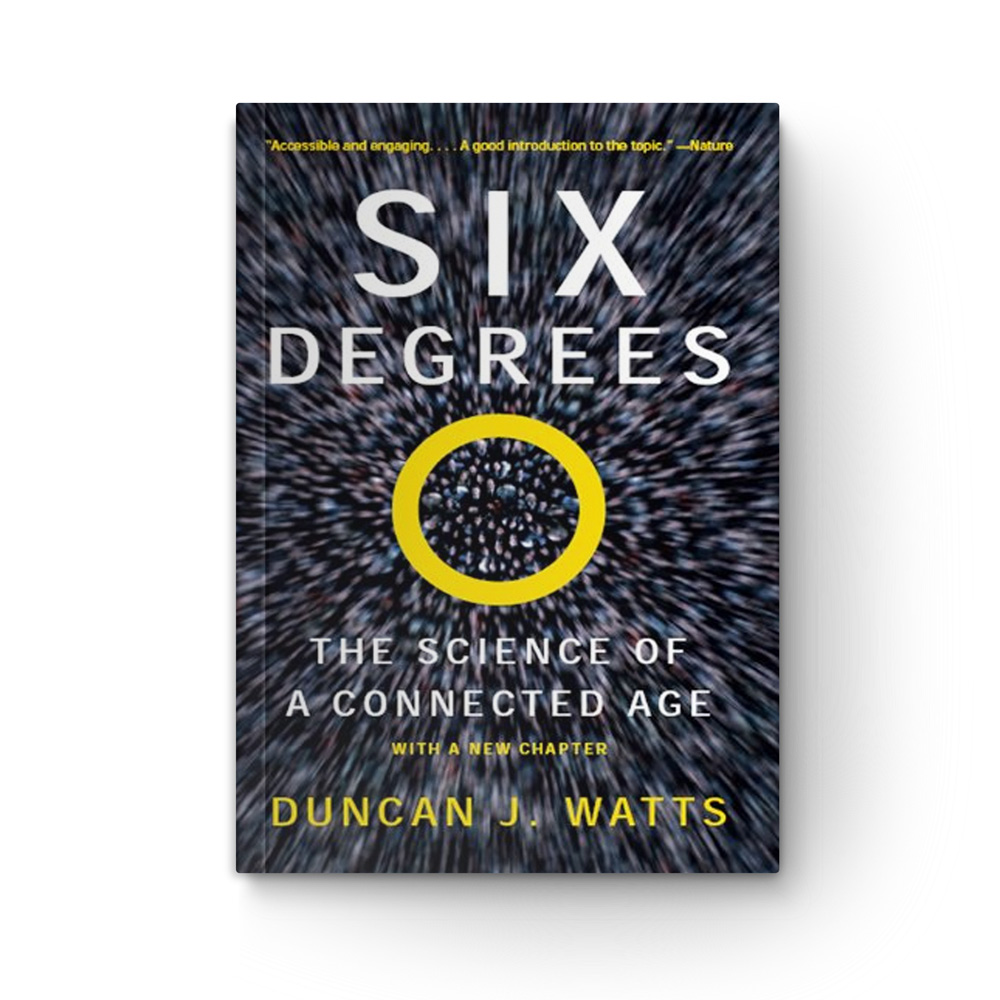
Six Degrees: The Science of a Connected Age by Duncan J. Watts, W.W. Norton & Company (2003)
This book encapsulates for me what makes Stanford so special. It talks about how networks grow exponentially smaller with each connection you make. To me, it symbolizes how the inspiring and amazing people we meet every day around the Farm shrink our vast world through interconnectedness.
—Diego Uruchurtu Patino, MS ’24, is a doctoral student in chemical engineering and a Stanford Alumni Association graduate student representative.
Memoir

She Rides: Chasing Dreams Across California and Mexico by Alenka Vrecek, She Writes Press (2023)
Few memoirs capture both the raw physicality of solo adventure and the quiet courage it takes to undertake one as a woman alone; She Rides does both beautifully, tracing a solo cyclist’s 2,500-mile journey through California and Mexico with honesty and heart.
—Brigid White is a master’s student in design and founder of the Empowder Festival, a women+ freeride ski/snowboarding festival. She enjoys playing in the mountains and ocean.
Read about the Empowder Festival
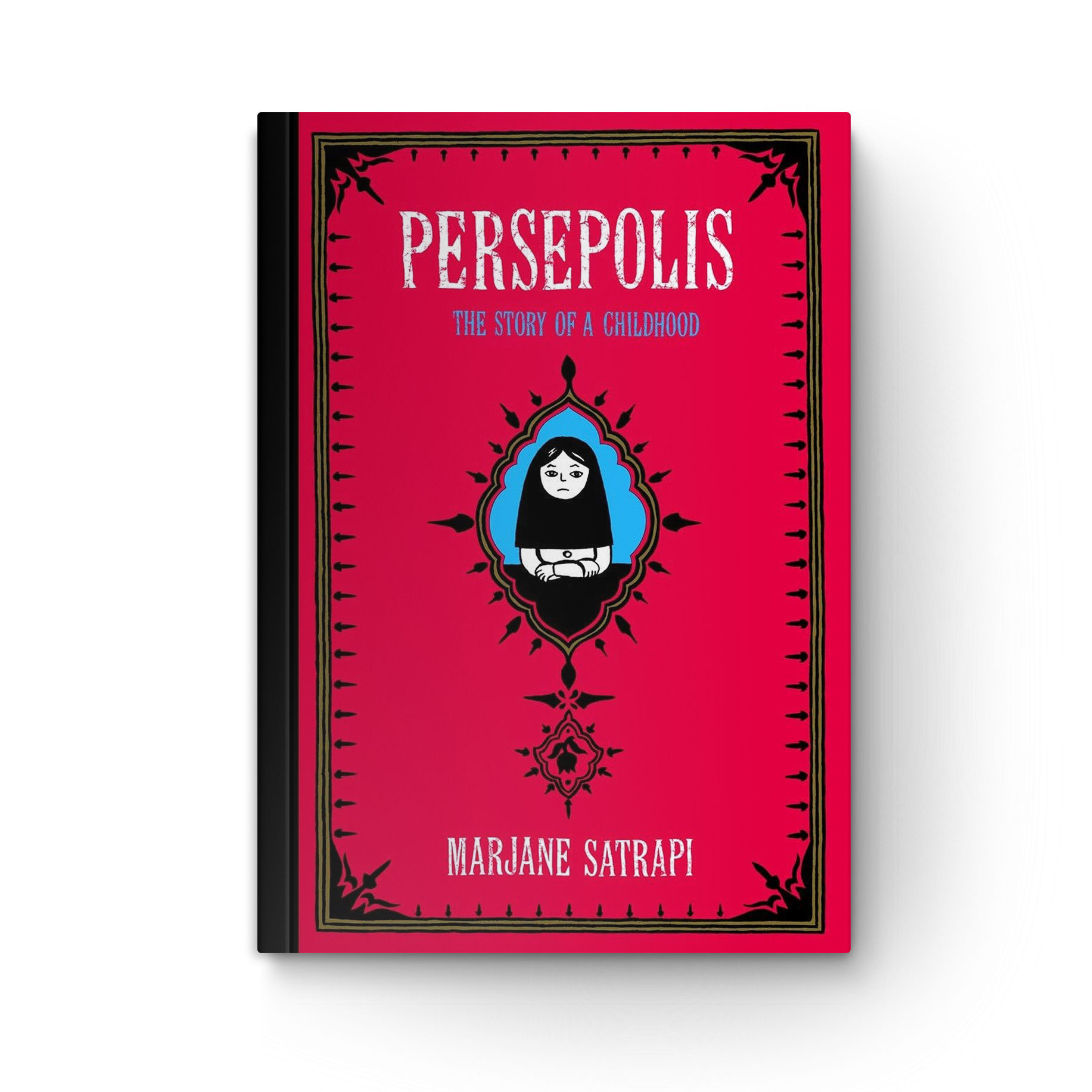
Persepolis by Marjane Satrapi, Pantheon Books (2003)
I really resonate with this comic book about an Iranian girl who immigrates to Europe. It shows what an Iranian might go through and offers insight through a light, beautifully written, yet deeply real narrative. From the illustrations to the prose, there is so much depth, and each time I read it, my heart grows heavier.
—Kimia Koochakzadeh-Yazdi is a doctoral student in music composition.
Watch our video about Koochakzadeh-Yazdi
Fiction
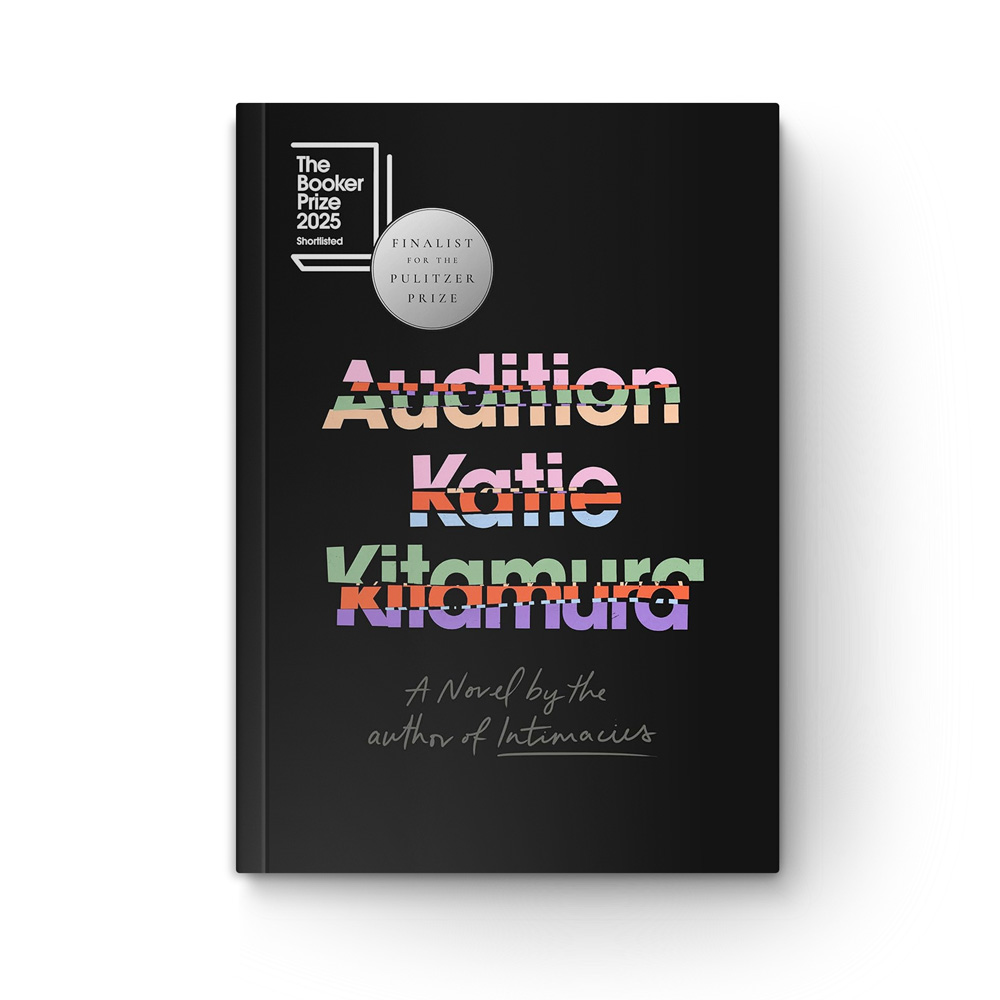
Audition by Katie Kitamura, Riverhead Books (2025)
Seeking out more fiction written by Asian women, I read this novel about a middle-aged actress who may or may not have a son. It’s head-spinning in the best way and leaves readers with more questions than answers about whether we ever truly know ourselves and the people in our lives.
—Sidney Suh, ’26, is a political science major and a Stanford editorial intern.
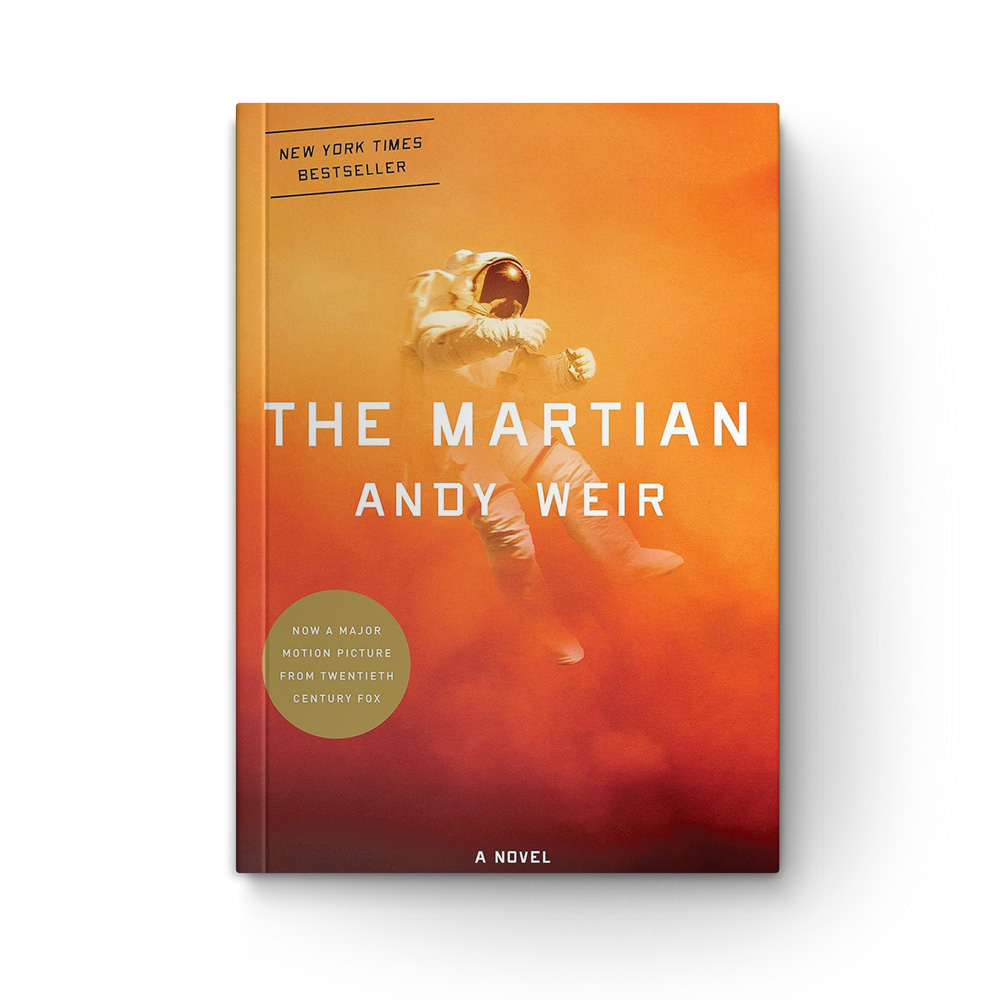
The Martian by Andy Weir, Crown Publishing (2014)
As a Houstonian, a lifelong NASA enthusiast, and someone moved to tears by the launch of Artemis II, I can say with authority that this book is a brilliant piece of science fiction (for now?!) that celebrates human ambition, ingenuity, and the desire to explore what lies beyond the stars. Until we land on the moon again, let Weir take you to Mars with the exhilarating survival story of a witty astronaut stranded in an impossible situation on the red planet.
—Misbah Aziz, ’28, is an urban studies major, chair of the 48th annual Stanford Viennese Ball, and marketing chair of the Stanford South Asian Society.
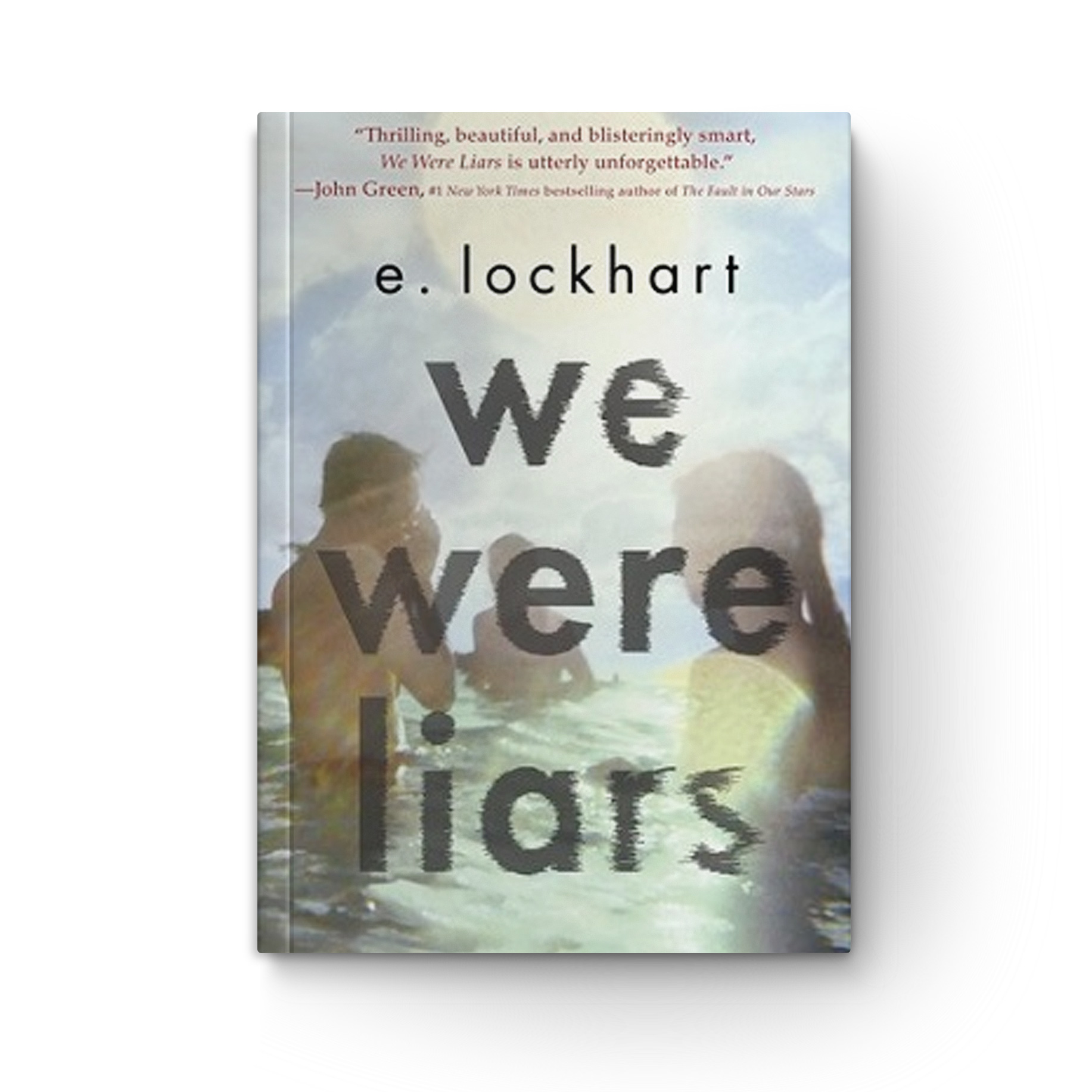
We Were Liars by E. Lockhart, Delacorte Press (2014)
This novel is high-energy and very satisfying if you enjoy mysteries, novels about regaining memories, and plot twists with a satisfying ending. This book is moving, and combined elements of my favorite genres—there’s romance, suspense, coming of age, and action.
—Corinne Thomas, ’28, is majoring in English and communication. She’s also Stanford Dollie No. 5 and can usually be found writing poetry near a fountain.
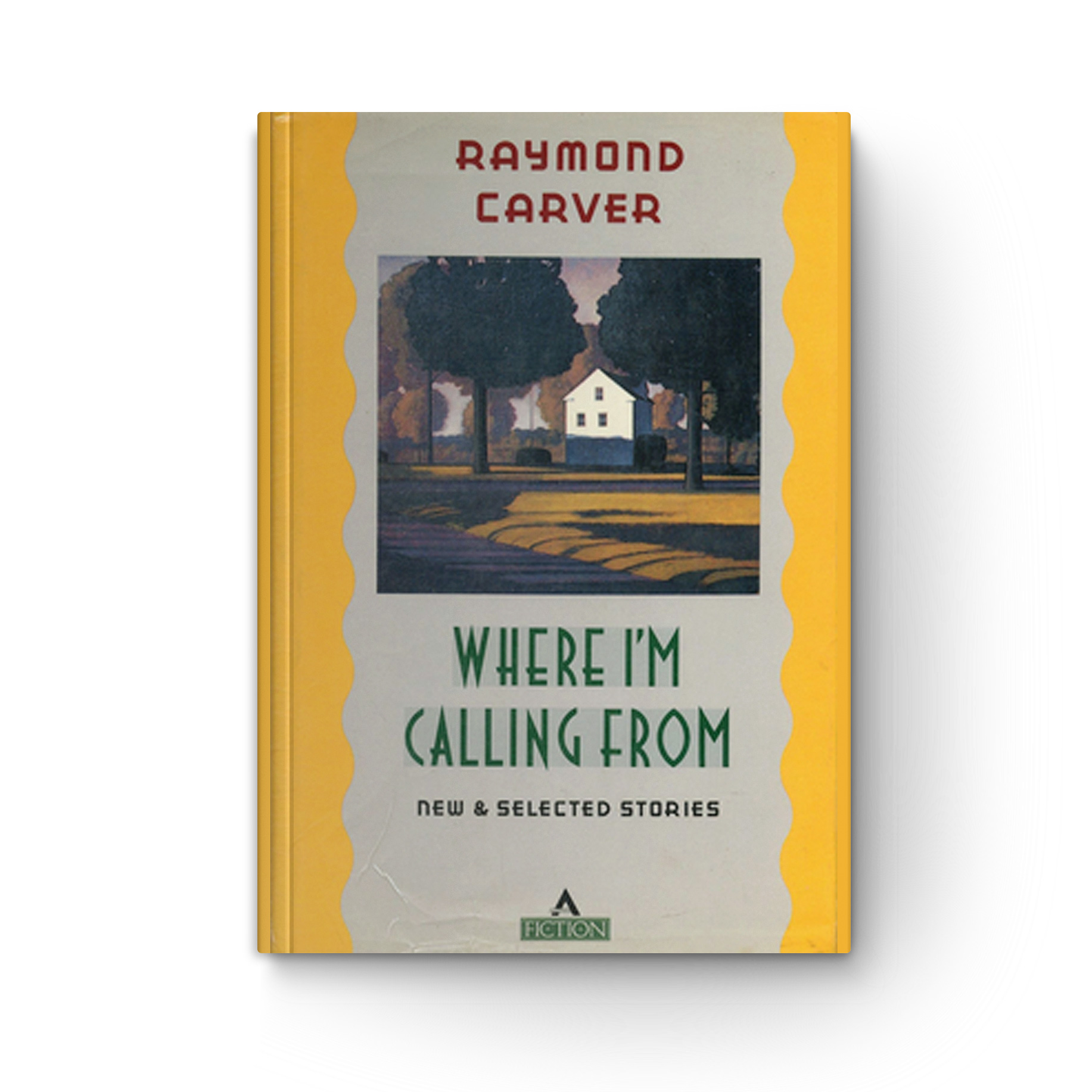
Where I’m Calling From: New and Selected Stories by Raymond Carver, Atlantic Monthly Press (1988)
Also a poet, Carver writes stories filled with beautiful and clear prose that illuminate common experiences of love, sorrow, and loneliness in a way that you feel in your bones. I’m often suddenly struck by resurfacing memories of this book’s relevant, enduring, and crystal-clear scenes, and compelled to reread a story to satisfy my craving for the honesty and eloquence Carver offers.
—Georgia Allen, ’28, is majoring in philosophy, minoring in art, and running helter-skelter around campus. She is a Stanford editorial intern.
Poetry
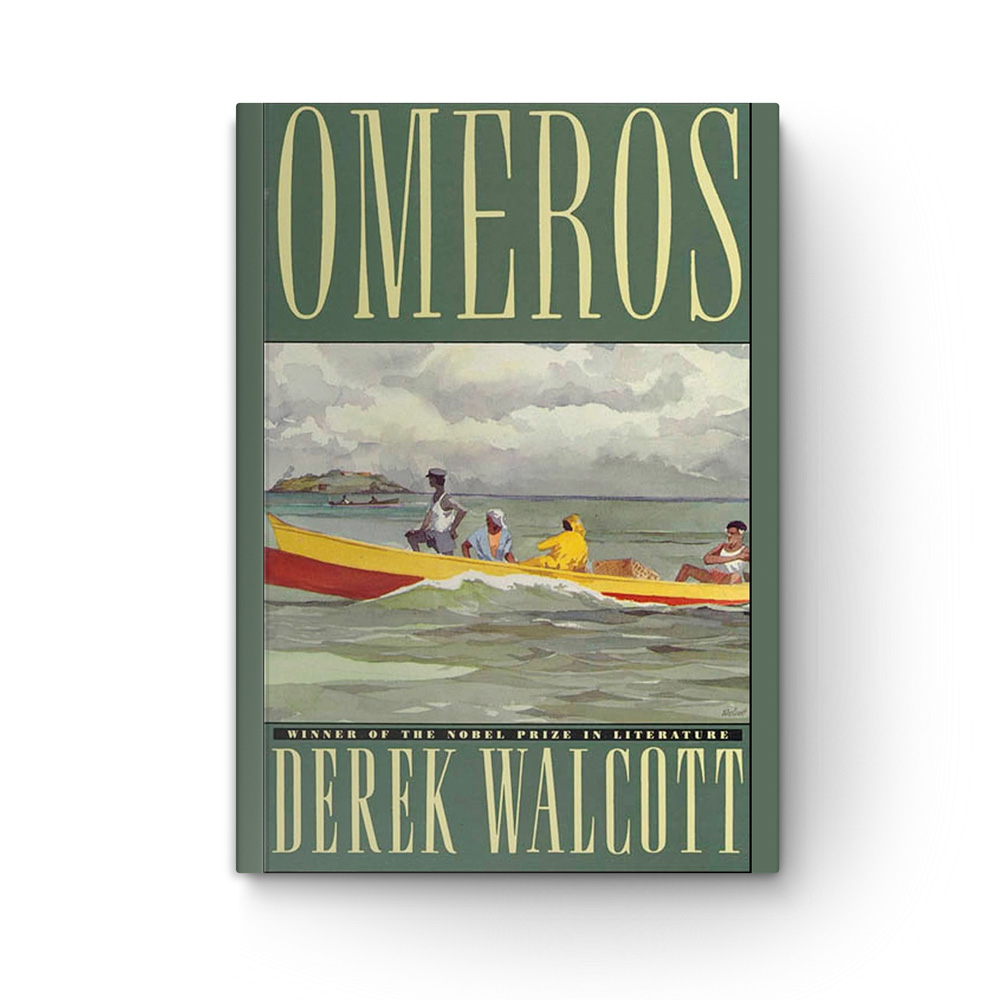
Omeros by Derek Walcott, Farrar Straus, and Giroux (1990)
Walcott’s book, which I was introduced to in an ecology class, is alive with energy and sparkling ocean waves. Omeros is a radical Epic, rewriting Homer’s European Odessey and replanting it in Black Caribbean soil, where heroes are fishermen carrying the weight of slavery and colonialism. I am obsessed with this book—it’s just beautiful.
—Sofie Roux, ’26, is a sustainable architecture and engineering major, the solar array lead for the Stanford Solar Car Project, and founder of BloomBox Design Labs.