Novel Reads
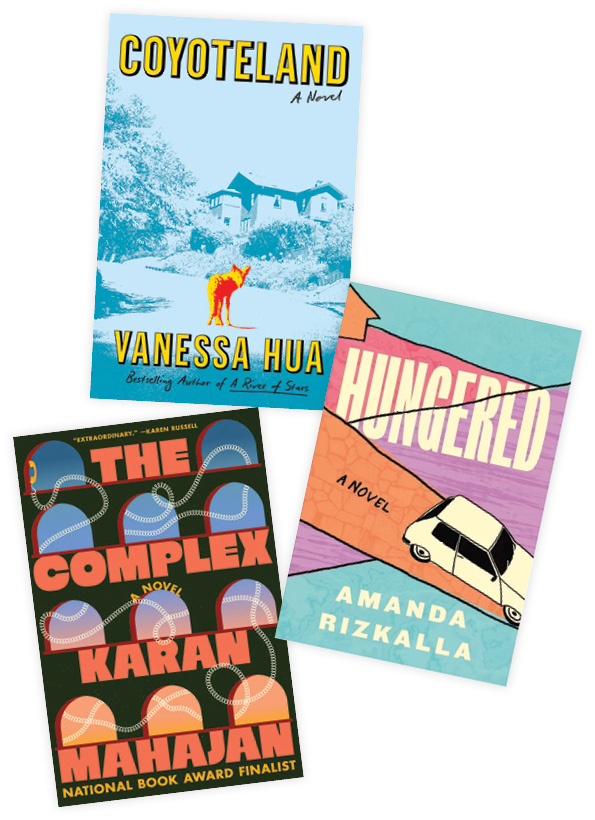
When the Chang family moves to the affluent Bay Area neighborhood of El Nido, they must learn to navigate shrill, wealthy neighbors, feelings of isolation, and—of all things—coyotes. In the gripping and heartfelt Coyoteland (Flatiron Books), Vanessa Hua, ’97, MA ’97, explores family and racism as her characters grapple with the suburban drama surrounding them.
“We eat with our eyes.” This is the repeated refrain of Sofia’s mother, meant to curb their hunger during days and nights taking shelter in their car. In Hungered (Henry Holt), Amanda Rizkalla, ’20, gracefully paints a story of a young girl, her brother, and her mother, who dream of securing a home and attending school but must first find a safe and undisturbed place to park each night.
The Complex (Viking) is a saga of Indian descendants vying for influence after the death of the family patriarch. Karan Mahajan, ’05, follows the Chopras as their lives divide between the United States and Delhi and they face struggles of love, power, and politics. What emerges is an unflinching characterization of humanity and its faults, be they jealousy, revenge, or infidelity.
Well Versed
In her debut poetry collection, Leigh Lucas, ’10, explores the rocky landscape of grief following the suicide of an ex-boyfriend, recalling memories triggered in unlikely places. The narrator of Splashed Things (Boa Editions) undertakes the messy and complicated journey through life after losing a loved one as she attempts to piece together a coherent picture of the past.
Brad Buchanan, MA ’01, PhD ’02, emerges from treatment for T-cell lymphoma to witness and record the changing life he beholds in The Birds of Poverty Ridge (Finishing Line Press). Poems with varied structures probe the space between life and death and explore moments of fear, sickness, and love and its loss.
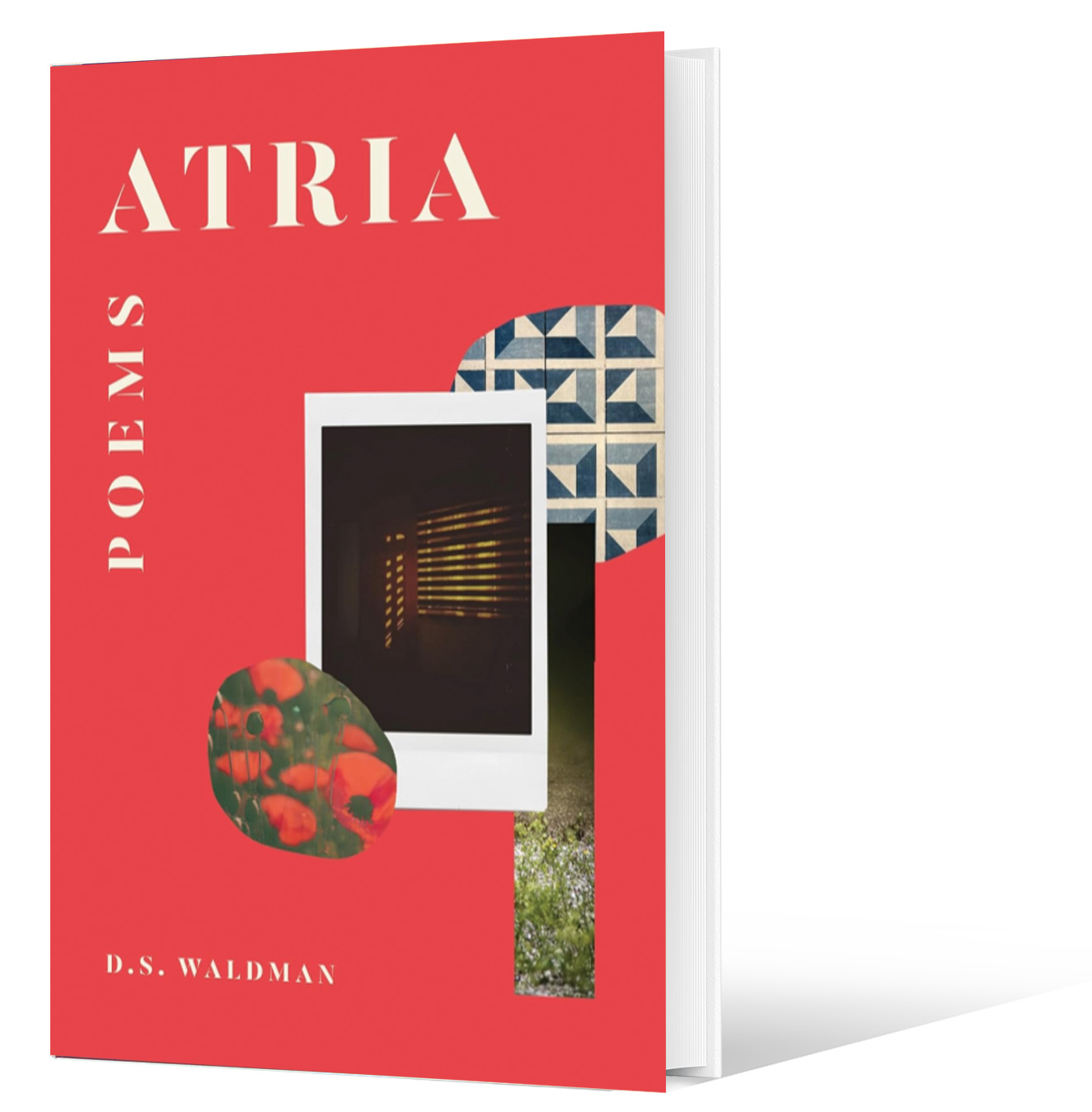
Former Stegner Fellow D.S. Waldman crafts a medley of prose, essays, and poetry that winds through the valleys of grief, love, disability, and memory in Atria (Liveright). Shining through is a connection to place, with memories emerging from concerts, lakes, streets, and museums across California. The collection explores the tension between proximity and distance, questioning the possibility of genuine connection to each other and the world.
New in Nonfiction

What’s with tooth fairy inflation? Alex Mayyasi, ’11, explains a complicated subject in an understandable, entertaining way in Planet Money: A Guide to the Economic Forces That Shape Your Life (W.W. Norton). The longtime contributor to the popular NPR podcast infuses the book with the quirky spirit of the show, whose hosts serve as his co-authors.
In Churn: The Tension That Divides Us and How to Overcome It (Liveright), professor emeritus of psychology Claude Steele examines the “worrisome vigilance” we can feel when we believe we may be judged on our identities—the sole woman walking into a high-stakes meeting or a white man feeling conspicuous in a diversity training session. Too often, Steele writes, we pretend our differences don’t exist, rather than facing them and building trust.
Should we ban sex work, medical aid in dying, fentanyl, kidney sales? In Moral Economics: From Prostitution to Organ Sales, What Controversial Transactions Reveal About How Markets Work (Basic Venture), Stanford economics professor and Nobel laureate Alvin E. Roth, MS ’73, PhD ’74, looks at tradeoffs (think Prohibition and black markets) and in general falls on the side of regulating, rather than forbidding, acts that repel some people but can’t be prevented. “Anything you morally ought to do has to be something you can do,” he writes.
Depending on when you were at Stanford and what you studied, you may or may not recognize the Farm described in How to Rule the World: An Education in Power at Stanford University (Penguin Press). Theo Baker, ’26, enters Stanford enthralled by tech. Journalism is just a hobby. But as he reports on possible image manipulation in scientific papers co-authored by then-president Marc Tessier-Lavigne, the spoils of Silicon Valley lose some of their sheen.
In How to Not Know: The Value of Uncertainty in a World that Demands Answers (W.W. Norton), journalist Simone Stolzoff, MA ’18, makes the case that embracing the unknown leads to a better life. He supplies many real-world anecdotes to illustrate his points, including why to choose curiosity over comfort, and ends with a personal story about his wife’s pregnancies that illuminates the challenge of waiting for news. Parenthood: The ultimate in managing uncertainty.
Bio Box
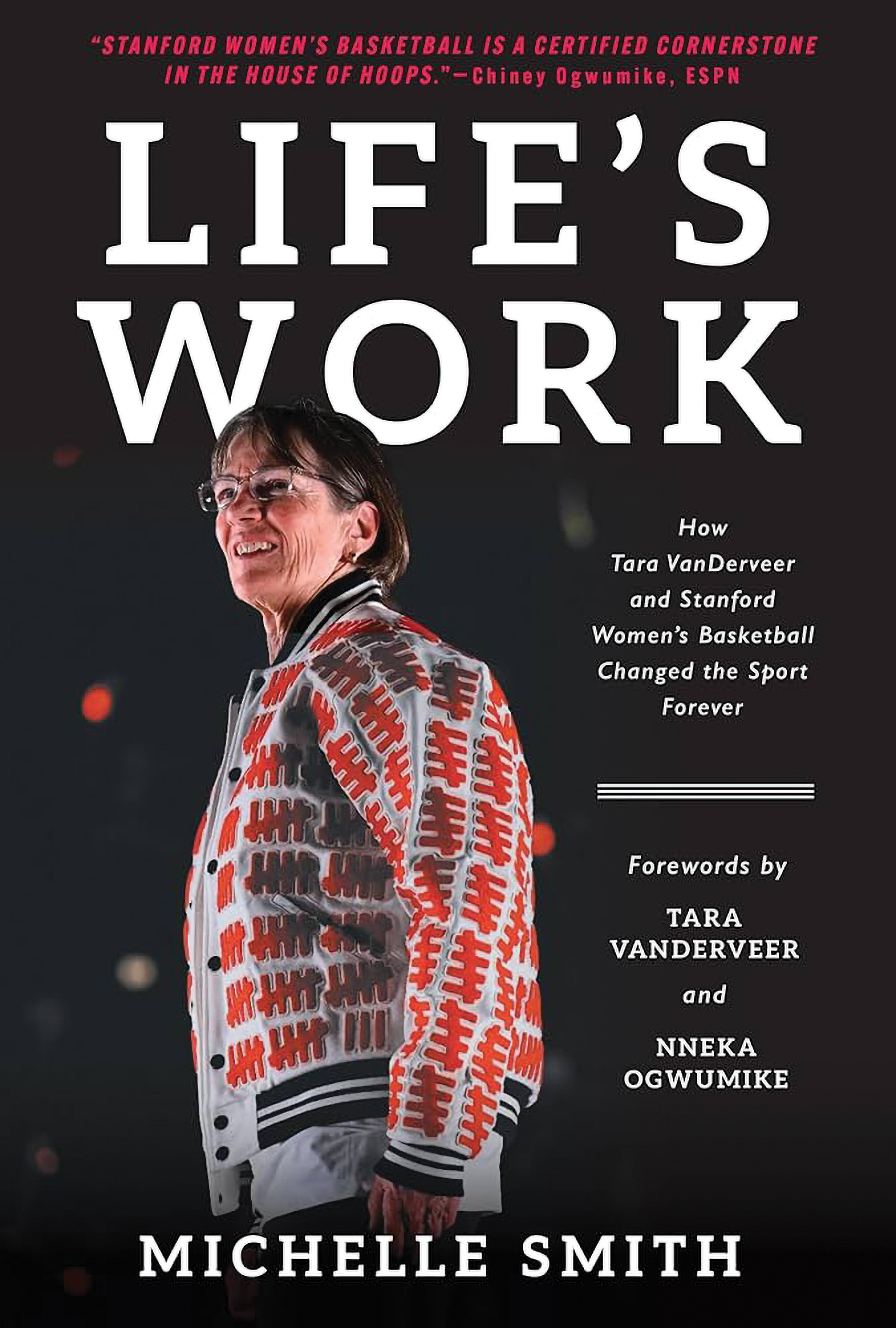
After 30 years of covering Stanford women’s basketball, sportswriter Michelle Smith chronicles the story of its longtime legendary coach in Life’s Work: How Tara VanDerveer and Stanford Women’s Basketball Changed the Sport Forever (Triumph Books). Superfans will savor this courtside seat as they watch VanDerveer’s travels from basketball-loving girl with limited opportunity to play the game to coach of collegiate and Olympic champions—and all of the teaching moments in between.
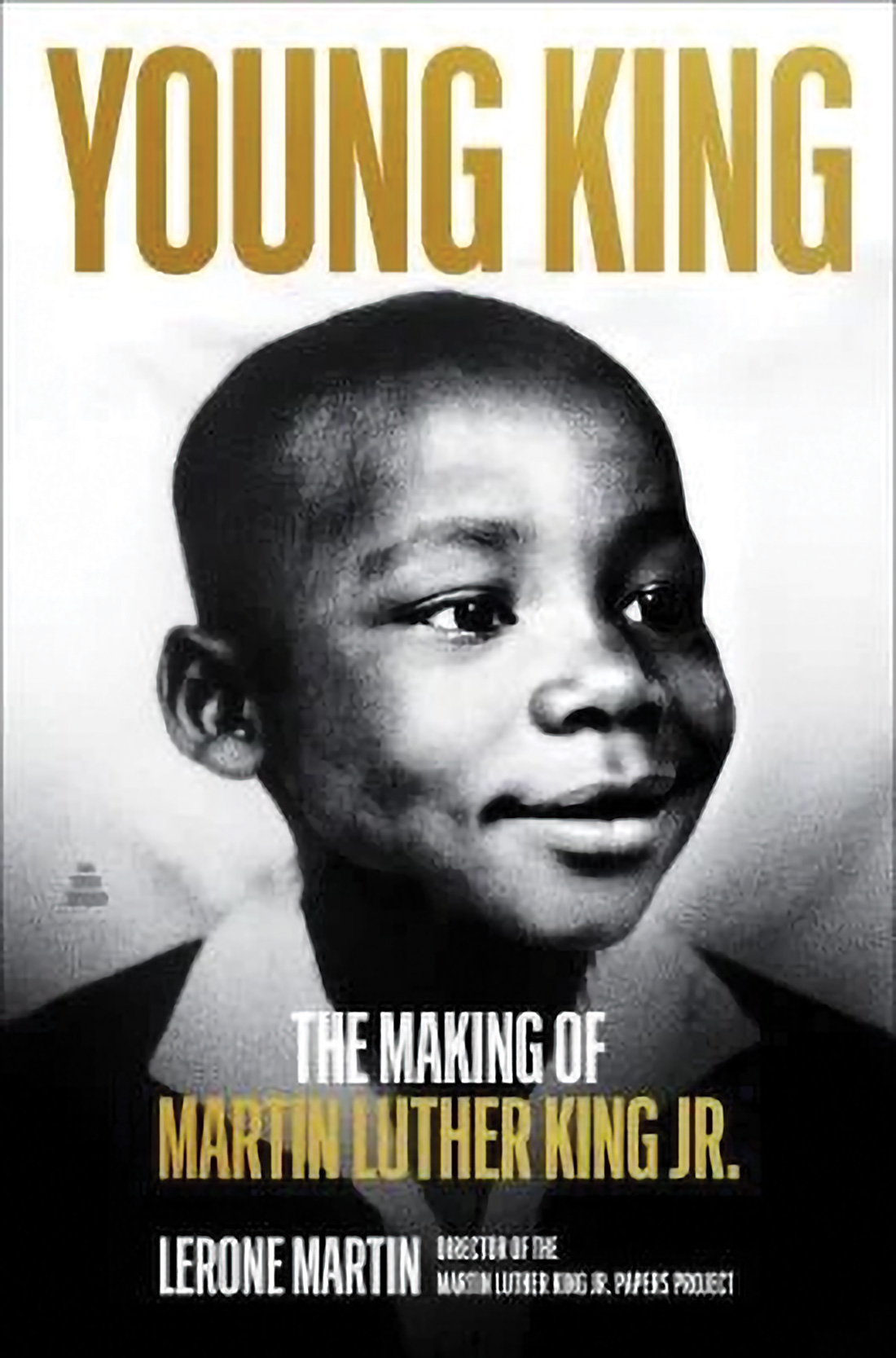
Previous biographies of Martin Luther King Jr. give us “a King who arrives in our consciousness and public memory as a determined superhero with no backstory,” writes Lerone Martin, professor of religious studies and of African and African American studies and the director of the Martin Luther King, Jr. Research and Education Institute at Stanford. From a preschooler making mischief with his siblings to a teen spending a summer on a Connecticut tobacco farm—and glimpsing life beyond the Jim Crow South—Young King: The Making of Martin Luther King Jr. (Amistad) captures the civil rights leader’s early years, often with stories all the more endearing for their normalcy.
‘I was only the tenth-best runner in the United States when I was twenty years old. And because of that, I was made to feel like I was a complete and utter failure.’