Novel Reads
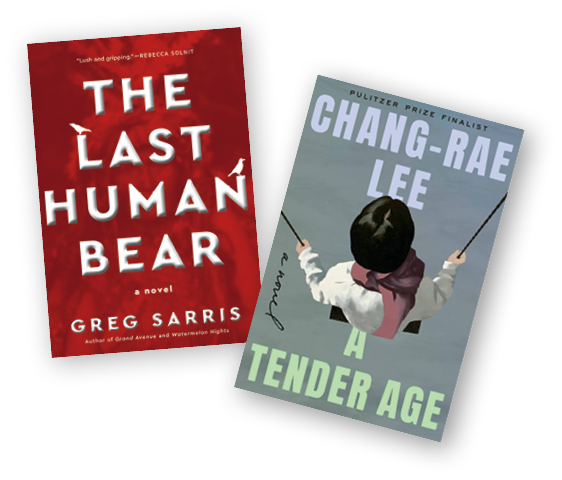
Mary Hatcher might be cursed: empowered to heal, or maybe doomed to harm, those in her orbit. The Native Pomo woman comes of age in 1930s California and spends a lifetime trying to answer questions about herself and her family, fueled by her rage against the white people around her even as she survives by sometimes passing as one of them. In The Last Human Bear (Heyday Books), Greg Sarris, MA ’81, MA ’88, PhD ’89, chair of the Federated Indians of Graton Rancheria and an emeritus professor at Sonoma State University, weaves the story of one desperately independent—and achingly lonely—woman into the history of Santa Rosa, Calif., and the displacement of its first residents.
Jeon-Gi is 10, the well-fed straight-A son of Korean immigrants and an easy mark for playground bullies. One day, he snaps, setting in motion a rehabilitative path with uneven results. English professor Chang-rae Lee’s A Tender Age (Riverhead Books) follows Jeon-Gi to a Christian summer camp with heroic (and randy) counselors, a cute older girl straight out of manga, and cabinmates who could have been lifelong friends, if only he were more comfortable with truth and consequences.
Life Stories
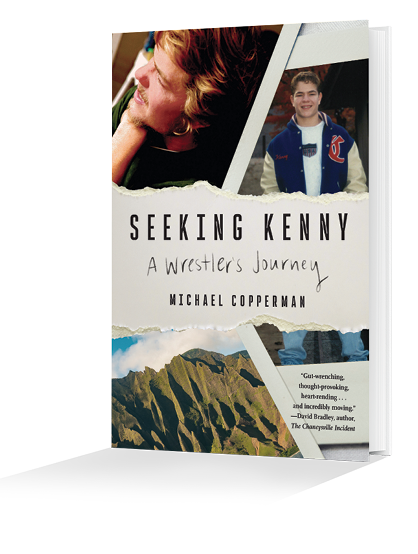
Kenny Cox, an Oregon state wrestling champion several times over, died shortly after spending 70 days in the wilderness of Kaua‘i’s Nā Pali Coast, where he eschewed supplies and human contact. In Seeking Kenny: A Wrestler’s Journey (University of Iowa Press), Michael Copperman, ’02, chronicles the life and untimely death of his adolescent friend and wrestling teammate, probing the mental and bodily extremes athletes endure during and after their training years.
Francis Fukuyama, a senior fellow at Stanford’s Freeman Spogli Institute for International Studies, reflects on his political and intellectual growth from childhood to the present in his new memoir. In the Realm of the Last Man (Farrar, Straus and Giroux) intertwines family anecdotes with commentary on state institutions and the future of liberal democracy.
Apple had only 5 percent of the computer market when Steve Jobs hired Ron Johnson, ’80, to create the Apple Store, a revolutionary approach to the retail selling of computers: beautiful settings with store designs as sleek as Apple’s products, Genius Bars to provide free tech support, a no-commission sales force focused on building relationships, and a store organized around helping customers engage, play, and create with technology. In Shop Different: How Retail Revealed Apple’s Genius (Harper Business), Johnson and Zander Nethercutt share behind-the-scenes insights and anecdotes such as Johnson convincing Jobs to scrap the entire store design several weeks before opening, their dismay when no one showed up for the Saturday 8 a.m. grand opening of their flagship SoHo store (turns out New Yorkers sleep in), and the one time Jobs finally let Johnson hug him.
New in Nonfiction
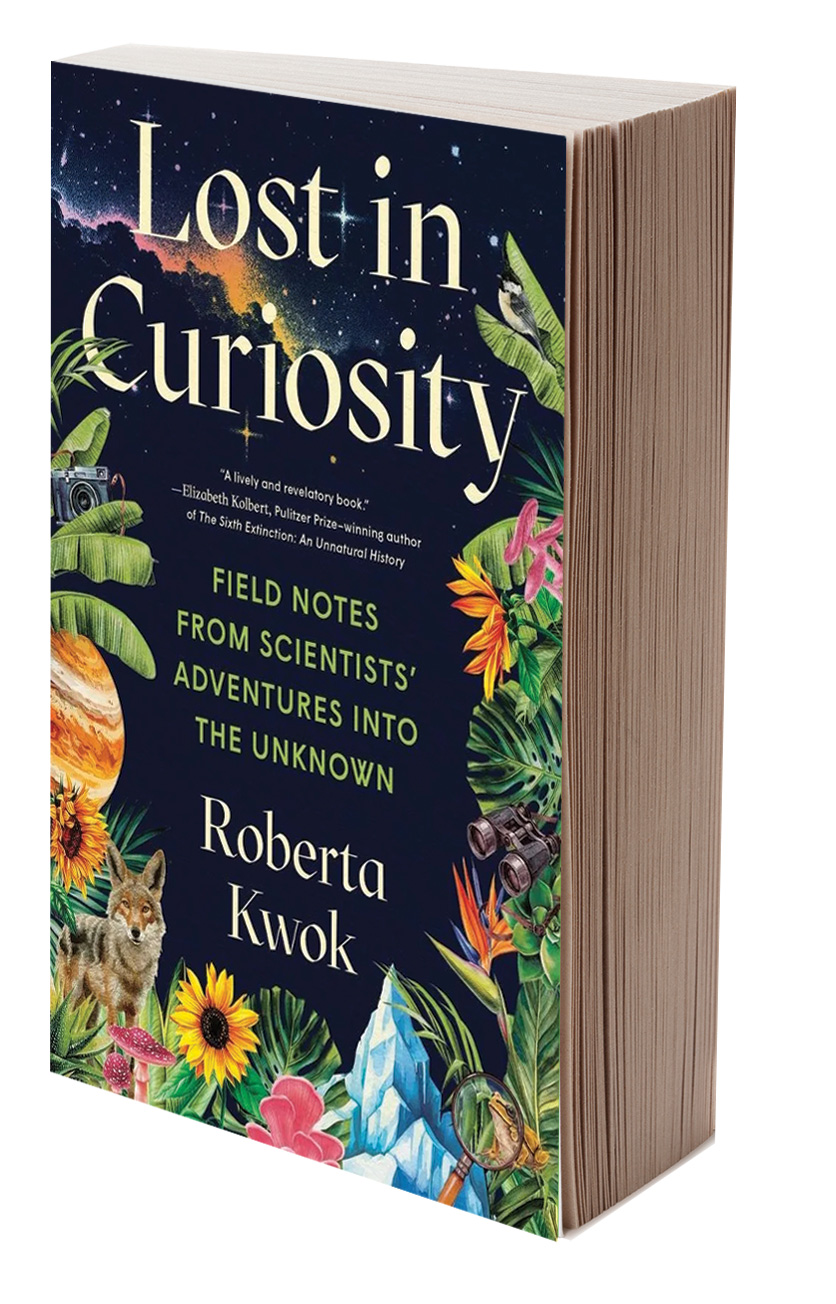
In Lost in Curiosity: Field Notes from Scientists’ Adventures into the Unknown (Sourcebooks), science journalist Roberta Kwok, ’00, witnesses the “messy middle” of science between researchers’ initial query and possible final discovery. The nine projects she investigates, from sex-role reversal in male guardian frogs to a quest to find an exomoon, depict the slow, frustrating, and focused work of scientists.
Sara B. Pritchard, MA ’97, PhD ’01, traces the complex history of nocturnal artificial light, both its benefits and its costs, in Transforming Night: The History and Science of Light Pollution (University of Washington Press). A professor of environmental history at Cornell, she discusses night light’s effect on industry, labor, entertainment, and social control, and explores current issues such as light justice (10 percent of the world population lacks electricity) and increasing artificial light from above (60,000 satellites projected by 2030).
Professor of German studies and of comparative literature Adrian Daub takes tech companies to task for their approach to both political governance and corporate governance in What Tech Calls Governing (Stanford University Press). In this follow-up to his 2020 book, What Tech Calls Thinking, he traces the evolution of bad corporate behavior through the history of Silicon Valley.
Three ways to examine the criminal justice system: When Emily Galvin Almanza was 16, a judge cut her a break—and told her he didn’t want to hear from her again unless she’d done something good with her life. Almanza, JD ’10, subsequently became a public defender, then started a nonprofit that augments defenders’ offices with more comprehensive services. In The Price of Mercy: Unfair Trials, a Violent System, and a Public Defender’s Search for Justice in America (Crown Publishing), she makes her case for reform, presenting evidence from the straightforward to the surprising (after trees are planted in a neighborhood, crime goes down). . . . Think-tank economist Jennifer Doleac, PhD ’12, marshals even more data in The Science of Second Chances (Henry Holt & Co.), using it as a springboard for a slate of policy recommendations that don’t fit neatly into a political box (for example, her proposals to reduce recidivism include both swabbing cheeks for DNA databases and going easy on low-level offenders). . . . Robin Dahlberg, ’79, looks at criminal justice through yet another lens—that of her camera. Breaking Point (Kehrer Verlag) includes portraits of, and handwritten reflections from, five people who found themselves on the wrong side of an interrogation table and confessed to crimes they did not commit.
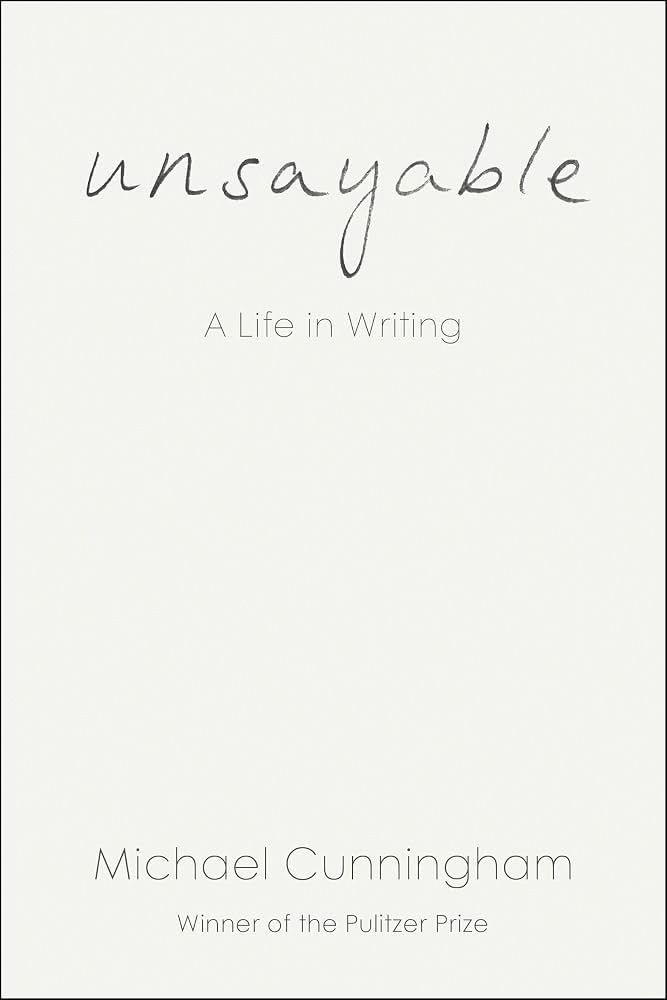
‘As far as I know, I remain the only one who’s ever compared Virginia Woolf to Jimi Hendrix. I stand by it to this day.’
Goals
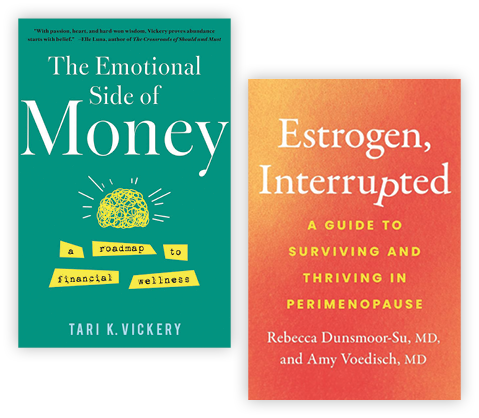
Needs vs. wants. Abundance thinking vs. scarcity thinking. In The Emotional Side of Money (She Writes Press), Tari K. Vickery, ’96, MA ’96, looks at why people feel the way they do about spending, saving—even preparing for death. (Pro tip: Make sure your family knows where you keep your money and what your account numbers are.) Vickery, a financial wellness coach, illustrates her points with short stories about her clients, family, and friends.
Want to know why you’re having sleep disturbances, mood swings, brain fog, or hot flashes, and what you can do to feel better? Estrogen, Interrupted: A Guide to Surviving and Thriving in Perimenopause (Flatiron Books), by physicians Rebecca Dunsmoor-Su and Amy Voedisch, MS ’11, a Stanford clinical associate professor of obstetrics and gynecology, covers the science just enough so that you understand it but never get lost in it, and encourages you to seek the care you need.
Volunteer book team: Jennifer Adkisson, MBA ’91, Dan Cory, ’93, Ann Engar, ’76, Teiana Gonsalves, ’24, Amy Ho, ’94, Julie Matlof Kennedy, ’87, JD ’91, Joan Passarelli, ’84, and Karen Springen, ’83.