Features
Editor’s Choice
Features
Dozens of Japanese American Stanford students were corralled in camps during World War II. Even as their lives were put on pause, some stayed connected to the Farm.
The Far Side of the Farm
Squirt-gun assassins. Go-naked rituals. Dorms nicknamed after aging Scottish actors. Here are 19 examples of surprising, delightful and outrageous Stanford phenomena that keep life interesting.
Inside China
Scholars have called her work indispensable and irreplaceable. Jean Oi s ) forays into rural China to document changes in post-Mao society have produced ) fresh insights into peasant politics, and a generation of inspired students.
by Diane Rogers

A Campus Transformed
Fifteen years ago, the Farm was looking a little rundown. Dorms leaked, classrooms ) were dingy, and scientists languished in the so-called Then ) came the Loma Prieta earthquake, hundreds of millions of dollars in renovation ) projects, and an era of construction unmatched in University history. Here ) is how Stanford looks now.
by Theresa Johnston

Who Killed Jane Stanford?
New investigations confirm she was poisoned by strychnine, but the case will never be solved. Someone got away with murder.
by Susan Wolfe
America and the Paradox of Power
Dominant but vulnerable, the United States confronts terrorism and growing resentment abroad. How should it respond, and what do its actions say about the country? Six scholars weigh in.
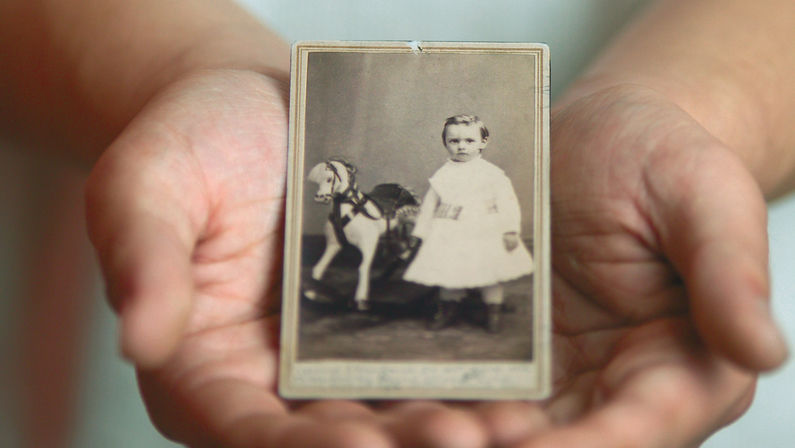
About a Boy
His death broke his parents’ hearts and spawned a university. But who was he? Recent revelations suggest a different Leland Stanford Jr. than many have imagined.
by Theresa Johnston
Cell Division
Stanford researchers say stem-cell study could unlock lifesaving cancer treatments and perhaps even wipe out genetic killers. But critics of the research say moral ambiguity surrounding therapeutic cloning should force science to slow down. The outcome of the debate will affect medicine for years.
by Christopher Vaughan and Kevin Cool
Strong Medicine
Training physicians used to be mostly about drugs and diseases. A curriculum overhaul at Stanford Medical School puts students in touch with patients in their first year, considering the person as well as the pathology.
by Diane Rogers
Color Treatment
At Lucile Packard Children s Hospital, crayons are an important therapeutic device.