Features
Editor’s Choice
Features
Dozens of Japanese American Stanford students were corralled in camps during World War II. Even as their lives were put on pause, some stayed connected to the Farm.
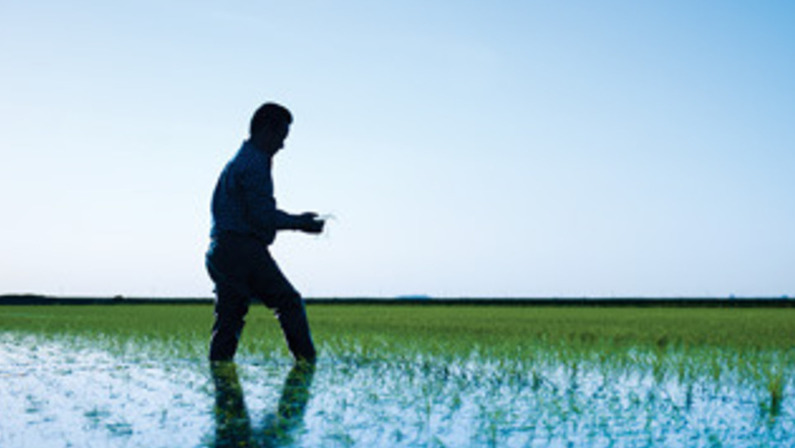


At Home On the Range
Raising beef cattle is familiar territory for fourth-generation rancher Cory Carman. But her methods cover new ground.
by Margaret Shakespeare
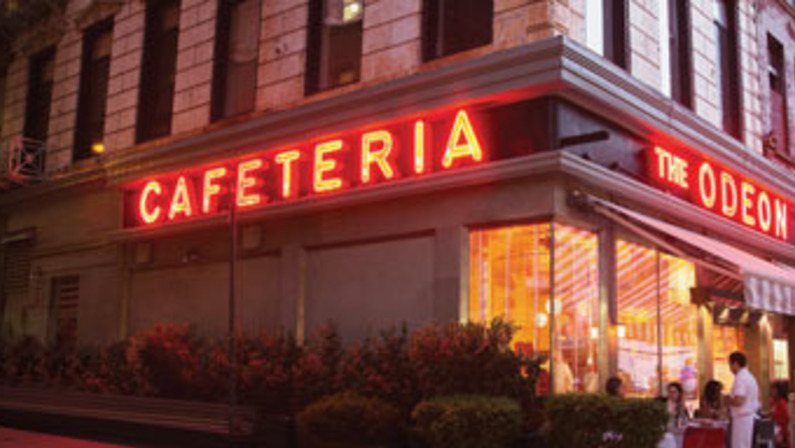
Tribeca Mecca
In a leap of faith more than 30 years ago, Lynn Wagenknecht, '75, and two friends opened a restaurant in an emerging Lower Manhattan neighborhood. Today, The Odeon is a Tribeca institution, and a gathering place for some of the city's brighest lights.
by Rachel Syme

Food Confusion
Nutrition advice seems designed to thwart our good intentions by offering conflicting and contradictory information. Part of the problem, says researcher Christopher Gardner, is our assumption that there's one diet that works for everyone.
by Nathanael Johnson
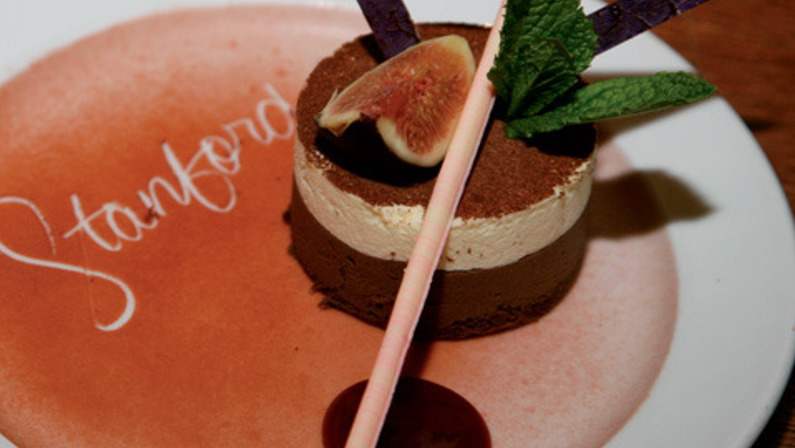
How Students Eat Now
Who knew you could order Alaskan salmon made just so? Or find fresh tiramisu with a fig for dessert? Campus dining has left plastic trays and cafeteria food far behind, replaced with tasty and healthy options, as well as educational programming that prepares students for life.
by Theresa Johnston
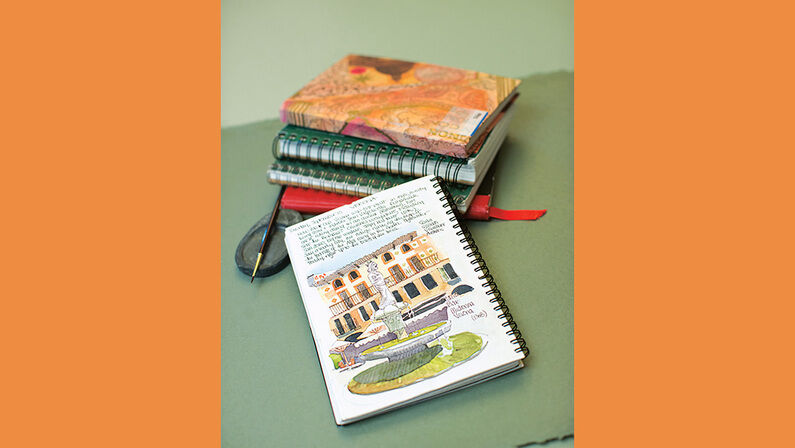
Alice’s Wonder Lands
The journals of the late Travel/Study leader Alice Coogan brim with the artwork and descriptions of an observant wanderer who found in faraway places a contentment that sometimes eluded her in everyday life.
by Peter Steinhart
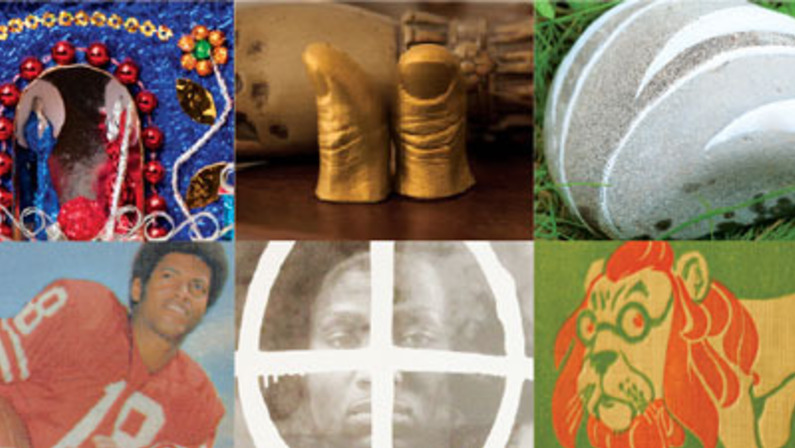
Great Stuff
Whether literally precious or boundlessly cherished, the objects that attract collectors reflect individual sensibilities. We found six alumni and faculty whose passions have occupied a lifetime of pursuit not to mention many rooms.
by Mike Antonucci

History Detected
Knowledge of history among high school kids in the United States is abysmal. Now there's a new way to learn: personal letters, official documents and other original source material that forces students to think like historians.
by Theresa Johnston